Sea Level Rise
The Humboldt Bay area is experiencing the fastest rate of relative sea level rise on the West Coast. That's because tectonic activity is causing the ground beneath the bay to sink at the same rate that the ocean is rising. According to the California Ocean Protection Council's 2024 Science & Policy Update, sea level in the Humboldt Bay area is expected to rise approximately 1.5-2 feet above 2000 levels by 2060 and 3.9-5.5 feet by 2100. The primary impacts from sea level rise are increases in flooding, erosion, and rising groundwater. Sea level rise will expand areas vulnerable to flooding during major storms, as well as in the rare but catastrophic event of a major tsunami. The term 100-year flood is used as a standard for planning, insurance, and environmental analysis. But these extreme storms are happening with increasing frequency, in part due to rising seas. Sea level rise will cause more frequent—and more damaging—floods to those already at risk and will increase the size of the coastal floodplain, placing new areas at risk to flooding. To view sea level rise scenarios for the Humboldt Bay area, visit NOAA's 2022 Sea Level Rise Viewer and go to the local scenario for the North Spit. NEW! Now you check out our interactive map of two sea level rise scenarios for the Humboldt Bay Area! Featured are scenarios showing 1- and 2-meters above Year 2000 water levels. For many years, these have been static maps with no simple way for the public to examine points of interest. Now, people wondering if their neighborhood is at risk can zoom in on locations and see street names, etc.
Planning for Sea Level Rise Splits County Planning Commission
While workshopping policies that will shape the future of Humboldt Bay, the county’s Planning Commission couldn’t reach consensus on how to address sea level rise.
At its Sept. 3 meeting, the commission held its third workshop on the draft Humboldt Bay Area Plan, reviewing five sea level rise scenarios.
There’s uncertainty on how to plan for it as it hinges on a variety of factors, including future degree of emissions reduction.
A “high” risk scenario was in a previous draft of the plan but the categorization is brought down a notch in the current draft, to “intermediate high.”
The Winter's Super El Niño Could Bring the Highest Sea Levels the California Coast Has Ever Seen
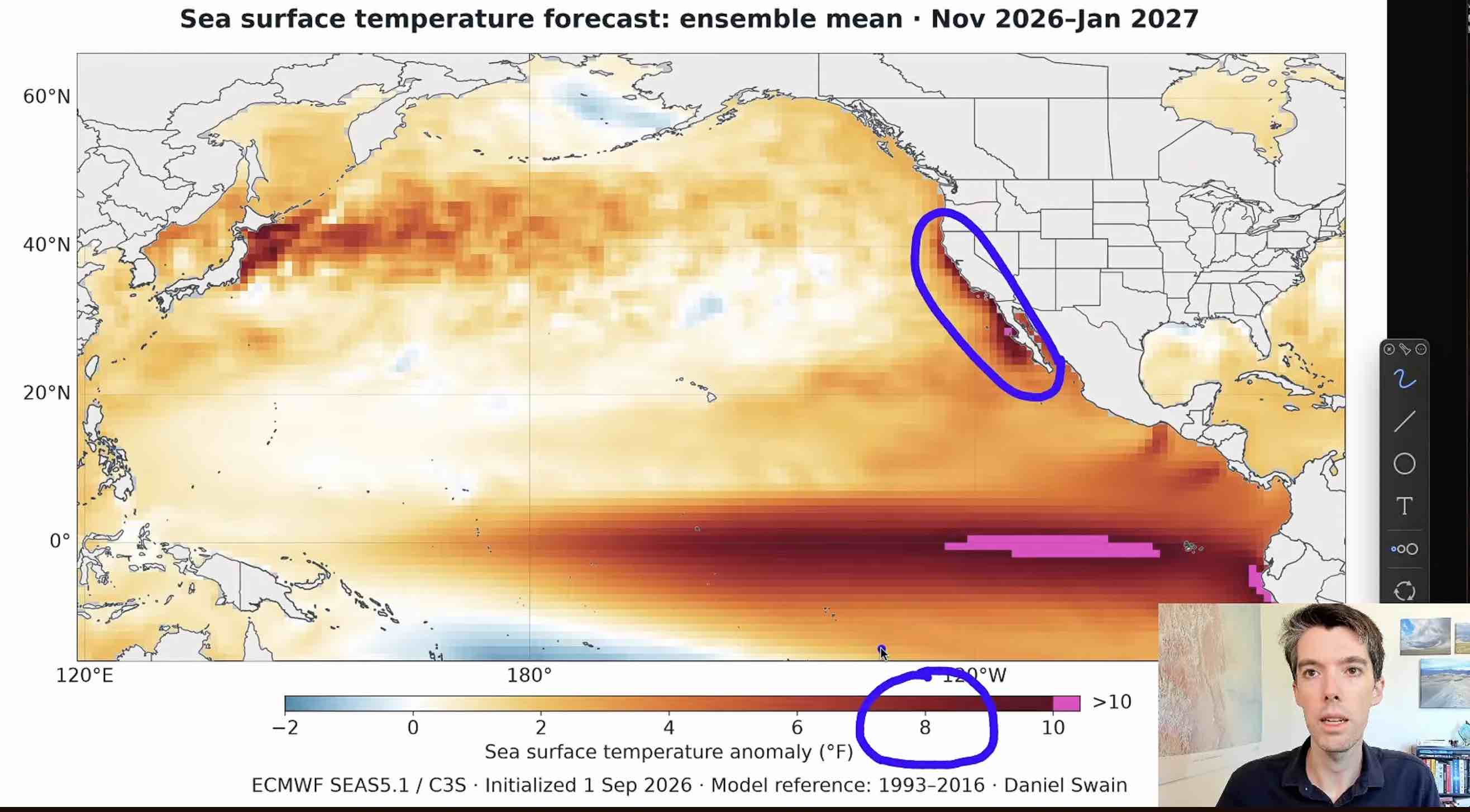 A strong Super El Niño has developed in the tropical Pacific that is expected to intensify and become a historic event by late 2026. We can expect this winter to bring heavy rainfall, a marine heatwave, and the highest sea levels California has ever seen.On Sept. 30, Blue Lake Rancheria will hold a Flood Fight Training Workshop. You can register online for the workshop or call (707) 668-5101 for more info. You can also sign up for Humboldt ALERT to receive official flood warnings and evacuation information.
 Sea Level Rise is Here
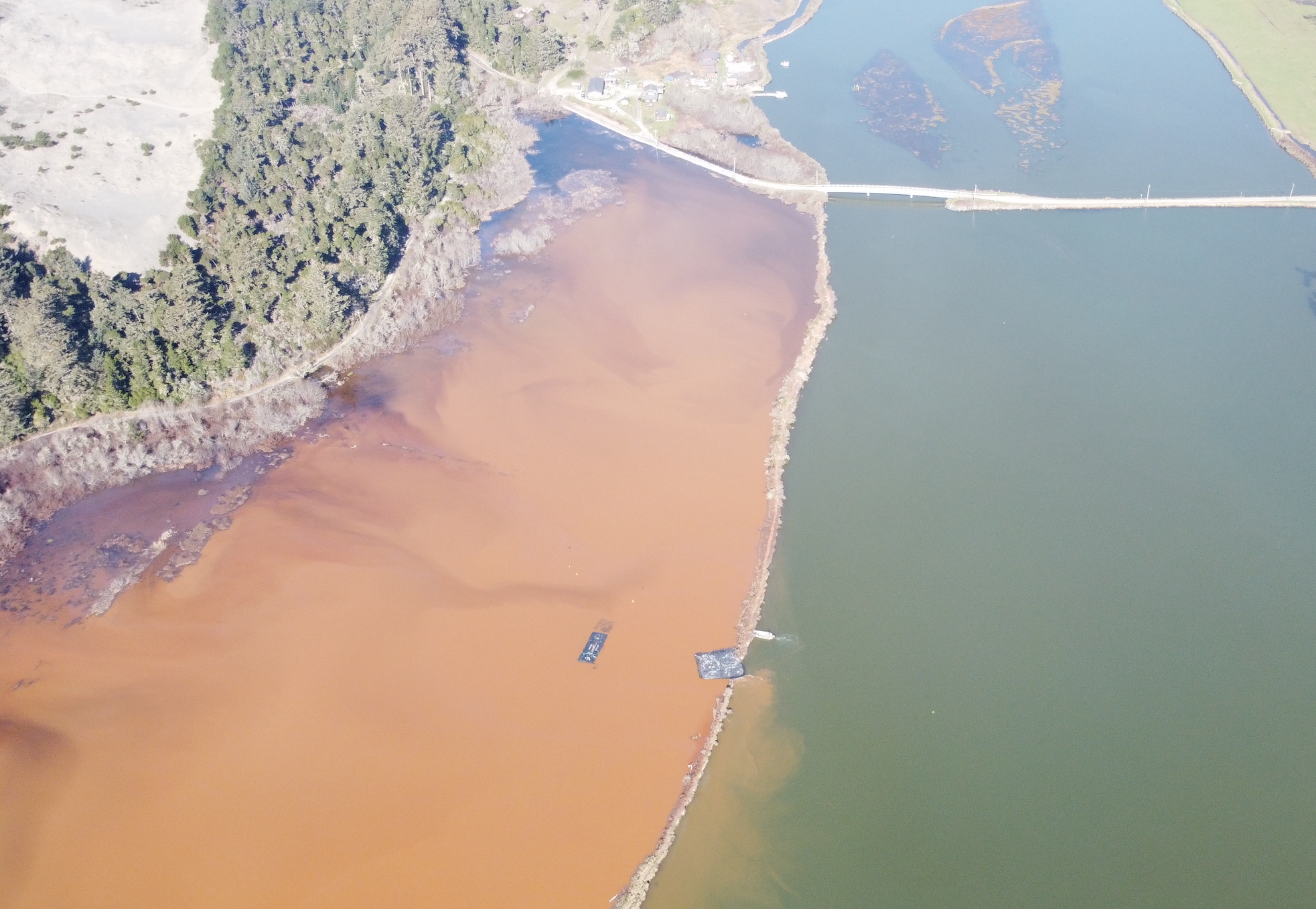 Starting in 1890, 40% Wigi (Humboldt Bay) was diked to convert public trust tidelands to private agricultural uses. Now 136 years later, sea level rise is enabling Wigi to begin reclaiming its stolen lands. In January, record King Tides breached a dike along Baduwa’t (Mad River) Slough. Photo by Todd Van Herpe, 2/2/26.
 New Humboldt Bay Planning Document Looks to the Future, With Guidelines for Sea Level Rise and Port Development
More Articles …